

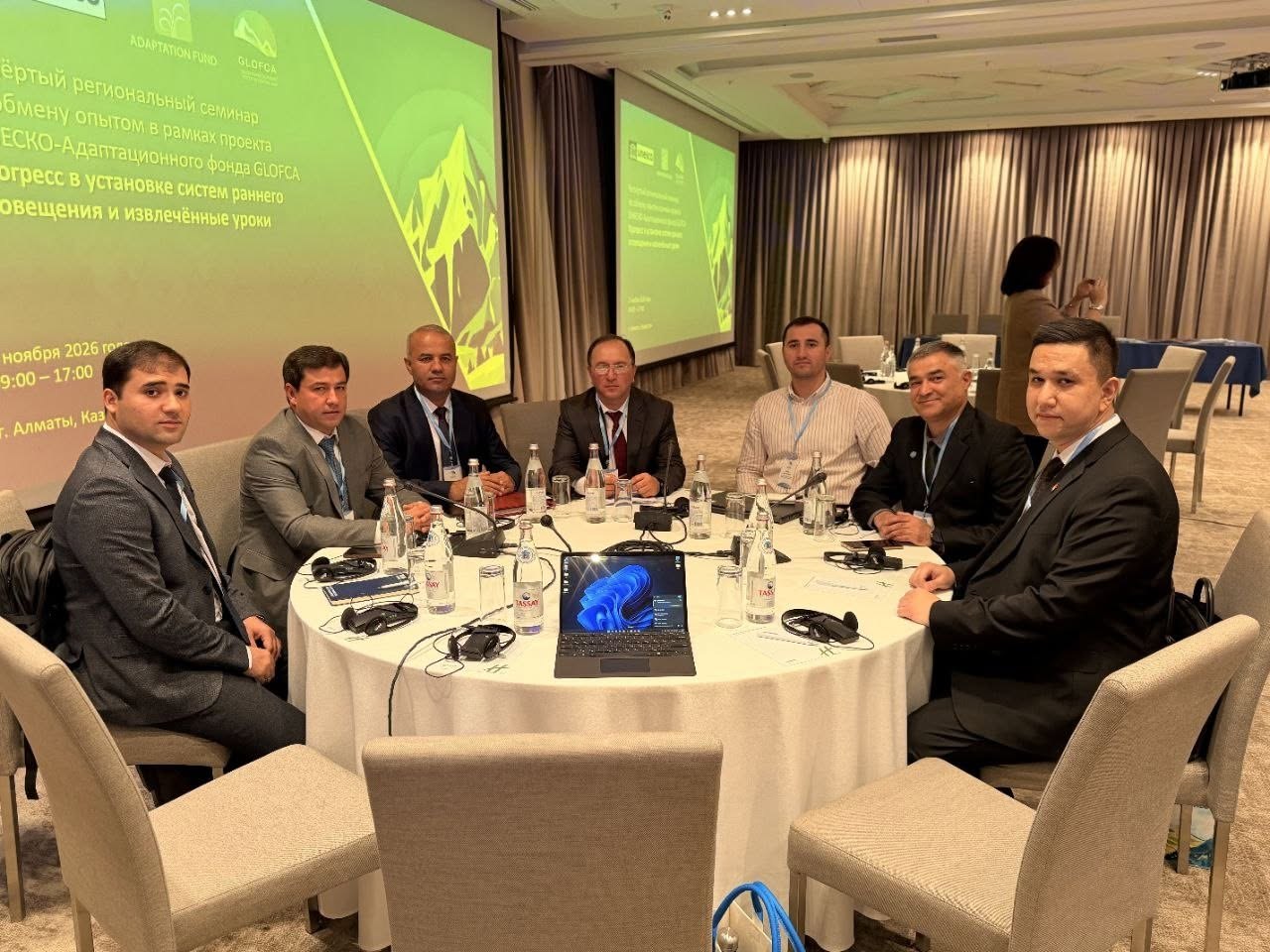
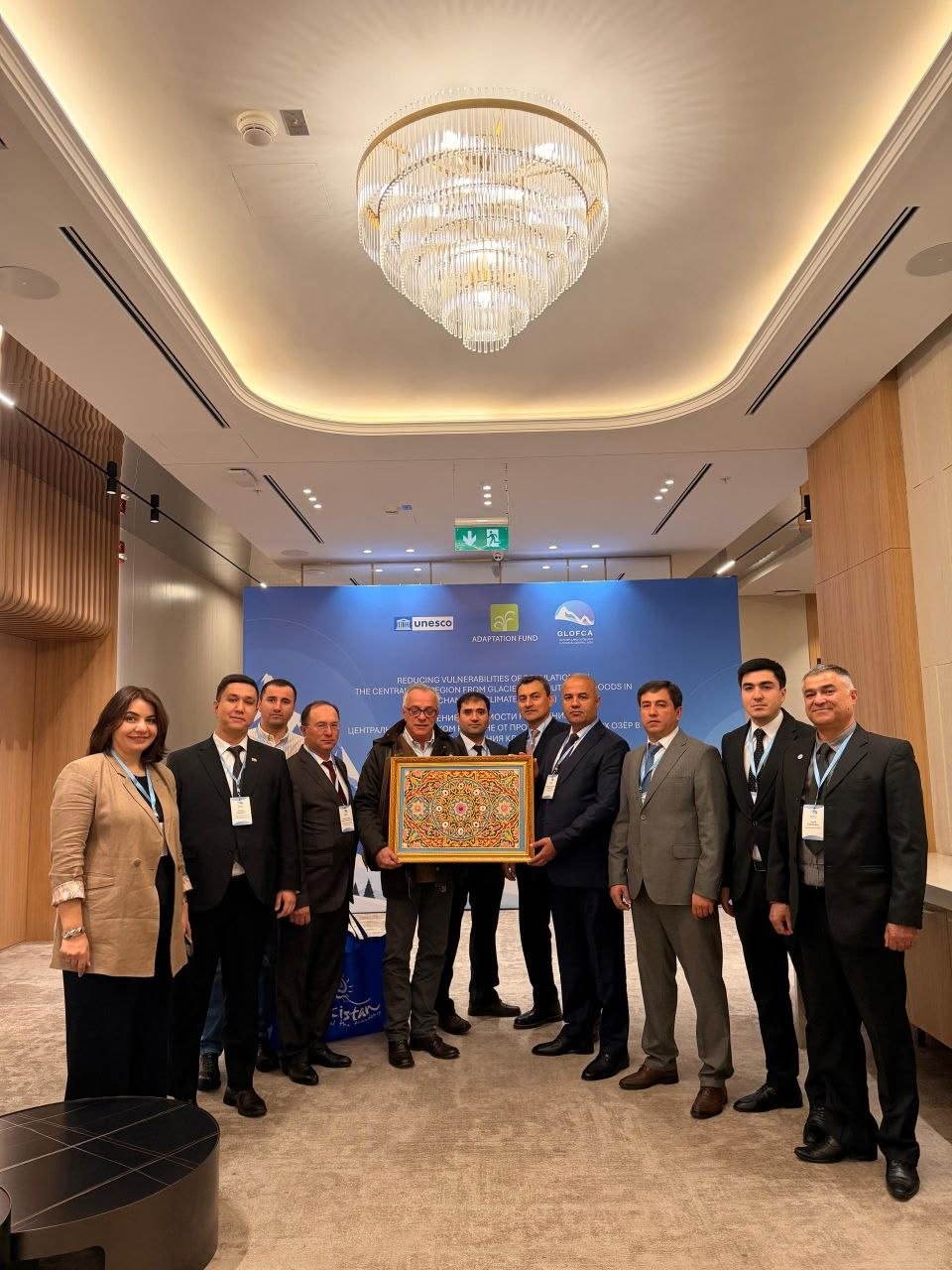
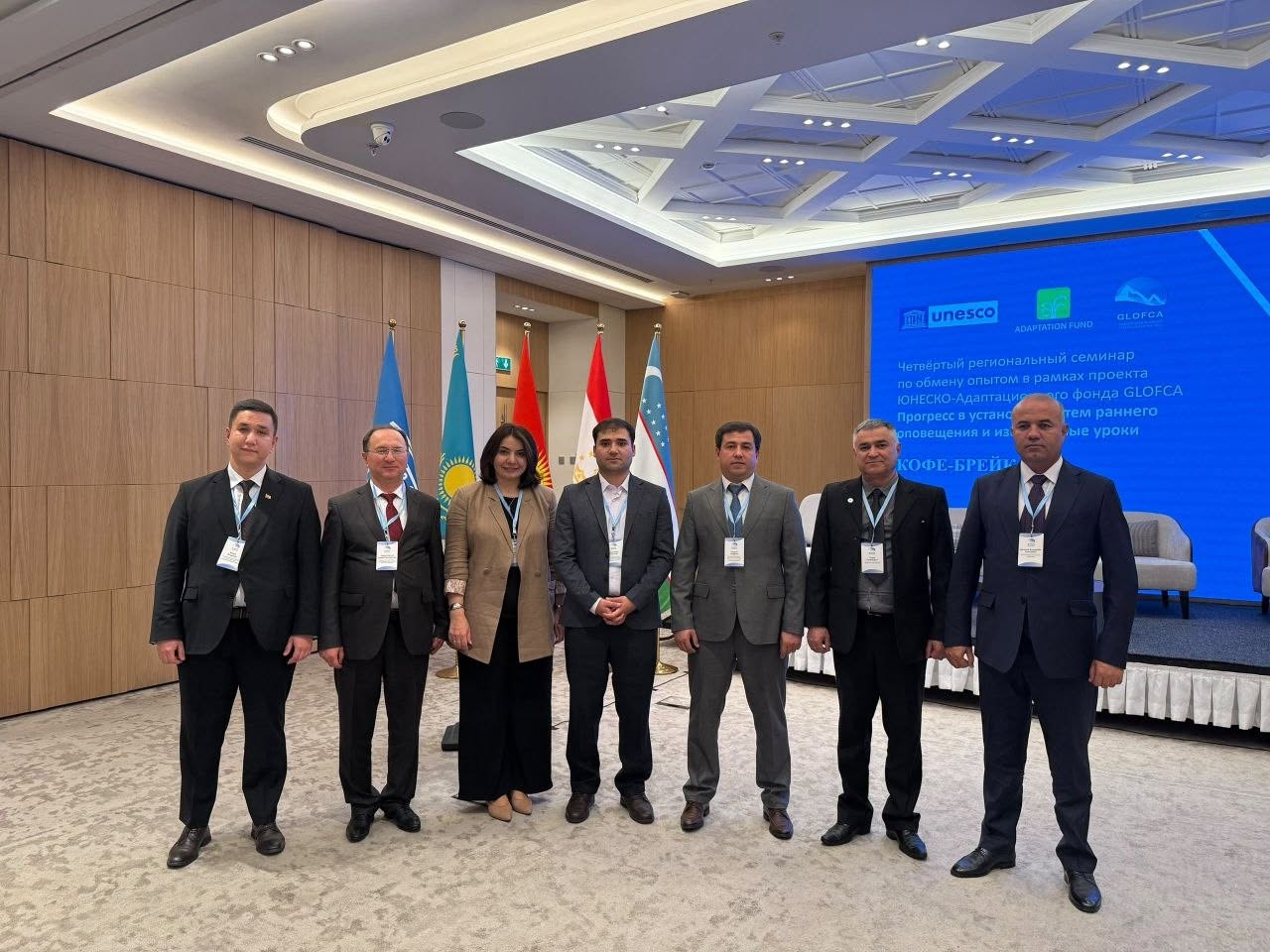
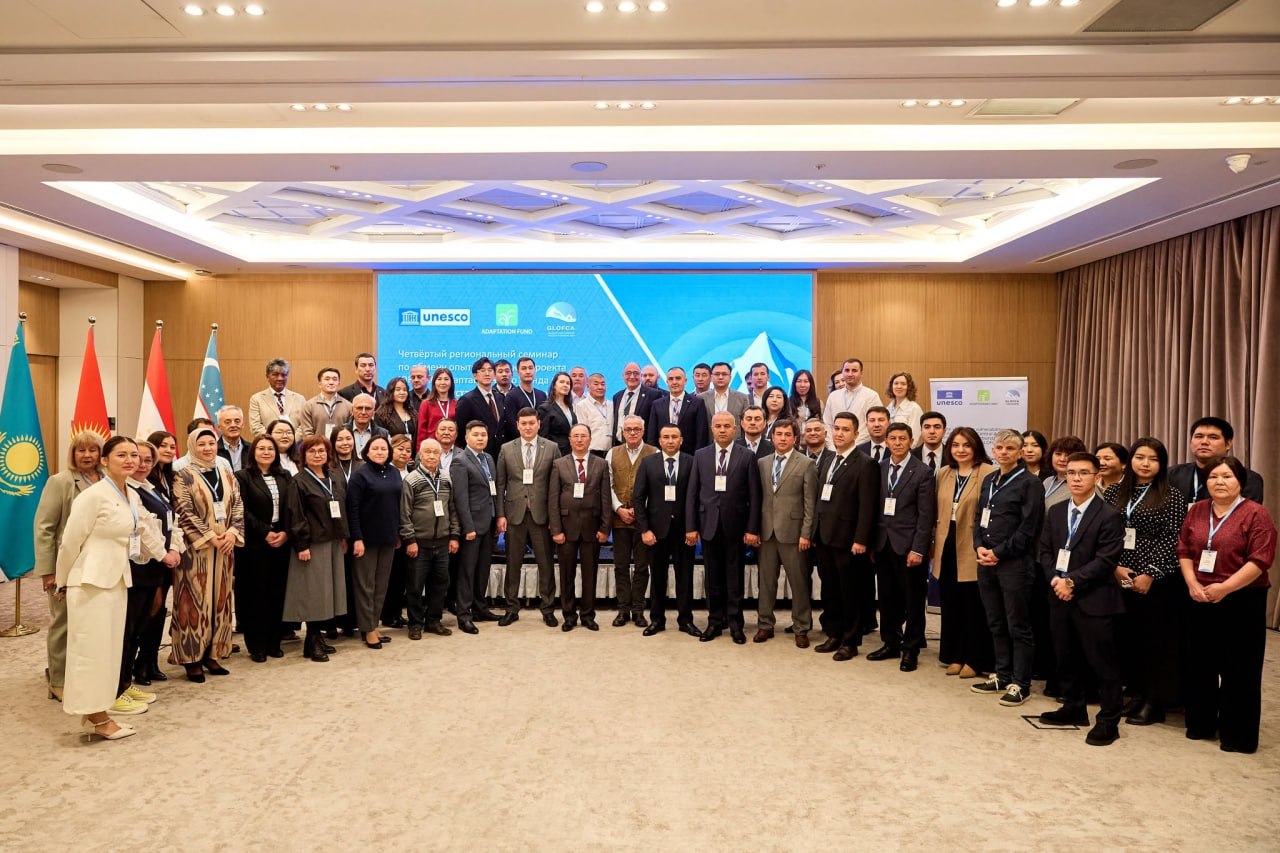
The delegation of the Republic of Tajikistan participated in the Fourth Regional Experience-Sharing Workshop under the UNESCO–Adaptation Fund project entitled “Reducing the Vulnerability of the Population of Central Asia to the Consequences of Glacial Lake Outburst Floods in a Changing Climate” (GLOFCA), held on 2–4 November 2026 in Almaty, Republic of Kazakhstan.
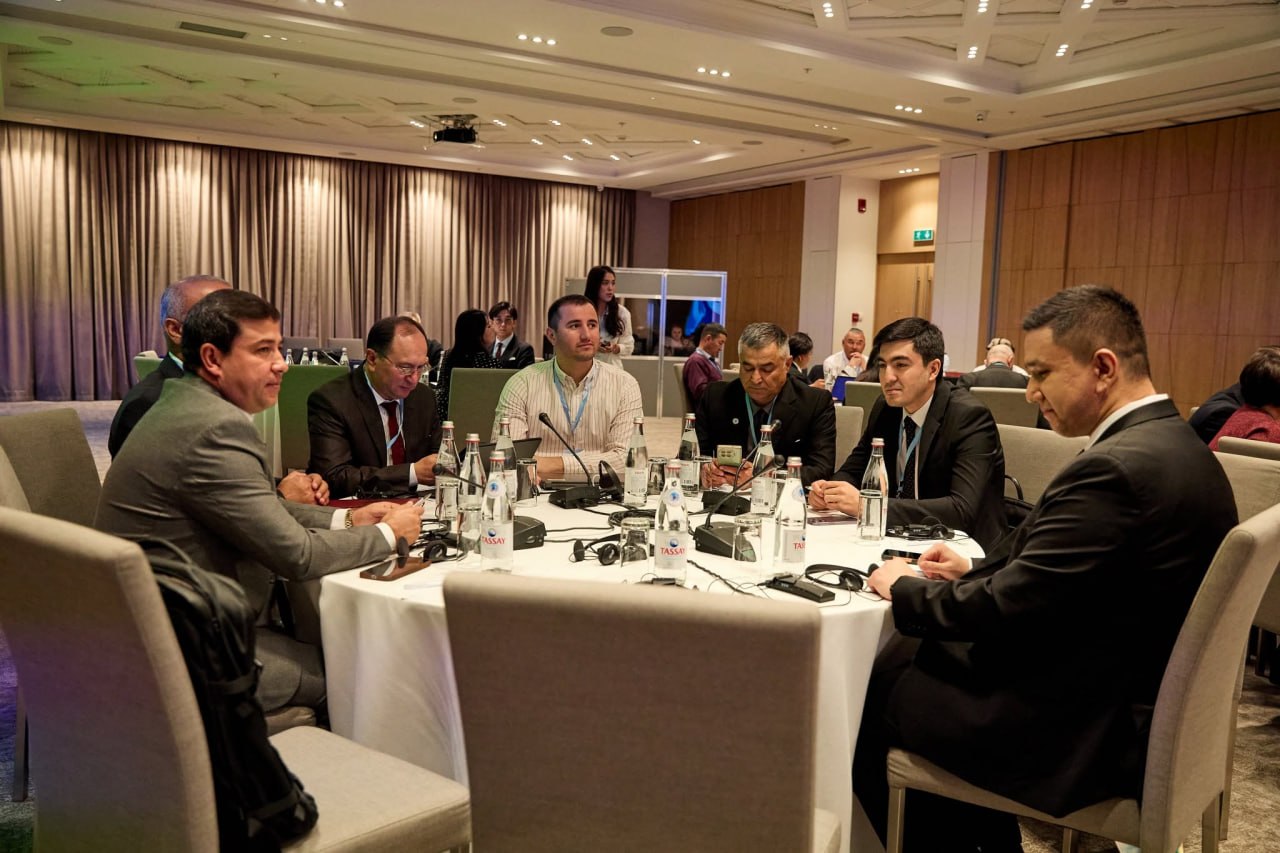
The workshop was organized by the UNESCO Regional Office in Almaty and brought together representatives of government authorities, hydrometeorological services, scientific institutions and international organizations from Kazakhstan, Kyrgyzstan, Tajikistan and Uzbekistan. Its main objectives were to review the results of project implementation, exchange national experiences and develop recommendations for strengthening further cooperation in reducing the risks associated with glacial lake outburst floods.
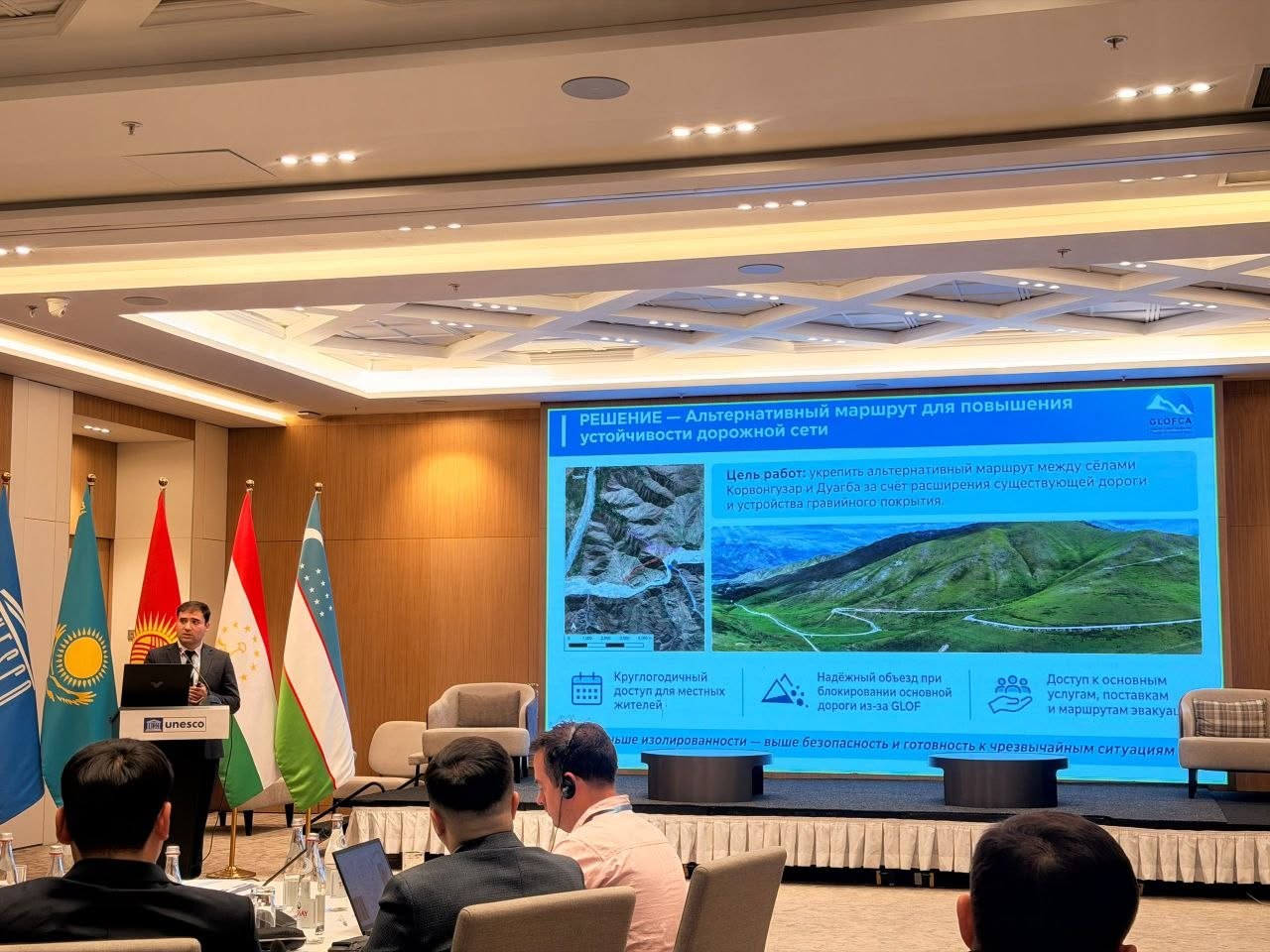
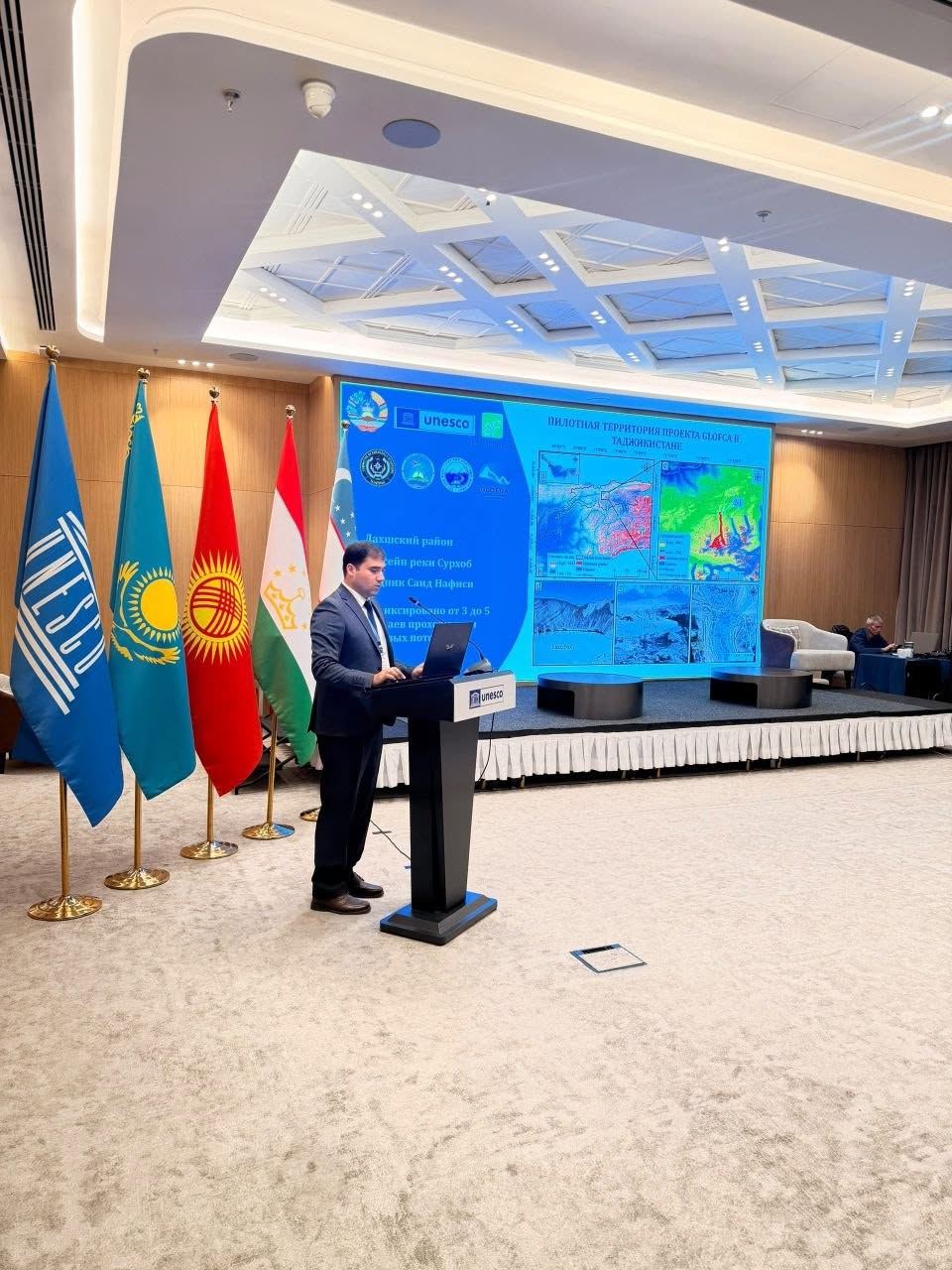
During the thematic sessions, representatives of Tajikistan presented the results of scientific research and practical experience gained through project implementation. In particular, they presented the results of glacial lake outburst modelling for Lake Said Nafisi (Baralmos), potential outburst scenarios and assessments of possible inundation zones, as well as technical solutions for the development and implementation of an early warning system for the pilot area.
Special attention was also given to the experience of implementing additional low-cost adaptation measures in Surkhob Jamoat of Lakhsh District, aimed at reducing natural hazards and strengthening the resilience of local communities.
Representatives of the Agency for Hydrometeorology of the Committee for Environmental Protection under the Government of the Republic of Tajikistan, the Committee for Emergency Situations and Civil Defence under the Government of the Republic of Tajikistan, the National Academy of Sciences of the Republic of Tajikistan, as well as local executive authorities, actively participated in discussions on monitoring and forecasting hazardous natural phenomena, dissemination of early warnings, interagency coordination, enhancing public preparedness and organizing emergency response measures.
According to the workshop programme, participants also discussed issues related to the design, implementation and operation of early warning systems, the work of thematic groups to consolidate accumulated experience, and the identification of priority areas for further cooperation. As part of the workshop, participants visited the Main Dispatch Centre of the State Institution “Kazselezashchita” and the dispatch centre located near the Medeu Dam.
The participation of the Tajikistan delegation in this workshop contributed to the presentation of national experience, the strengthening of regional cooperation and the development of joint approaches to glacial lake monitoring, the improvement of early warning systems, and enhancing the resilience of Central Asia’s mountainous regions to the impacts of climate change.

05.11.2026